DIY nest removal vs professional treatment for stinging insect control
Understanding the risks of stinging insect nests
Finding a nest of paper wasps, yellowjackets, or hornets near your home can be unsettling. These insects are beneficial in the garden, but when they build under eaves, inside a deck, or in a shed, they become a safety concern. The natural reaction is to want the nest gone quickly. Many homeowners consider removing it themselves, while others call a pest control service. Each approach has real trade-offs, and the right choice depends on the nest's location, the species, and your own tolerance for risk.
Stinging insects defend their colony aggressively when they perceive a threat. A nest that is small and easy to reach may seem manageable, but even a few wasps can deliver painful stings. For people who are allergic, a single sting can be life-threatening. Beyond the immediate danger, improper removal can scatter the colony, damage your property, or leave behind scent markers that attract new occupants next season. This article compares the two main paths: doing it yourself and hiring a professional, so you can decide which fits your situation.
When DIY removal might be an option
DIY removal is most viable when the nest is small, easily visible, and located where you can approach it safely. A paper wasp nest the size of a golf ball, hanging from an open porch ceiling, is a different proposition from a yellowjacket nest hidden inside a wall cavity. If you can reach the nest without a ladder, without leaning over a railing, and without disturbing the ground beneath, you may be able to handle it yourself.
Timing matters too. Early in the season, colonies are small and workers are fewer. A nest found in late spring or early summer is far less populous than one discovered in August. The insects are also less defensive earlier in the day or on cool evenings, when their body temperature is lower and their reaction time slower. Even so, you must wear protective equipment: a beekeeping veil or a hat with a wide brim and a mosquito net, long sleeves, long pants tucked into socks, and gloves. No one should attempt removal without full coverage of exposed skin.
The method matters as well. Aerosol sprays that shoot a stream up to twenty feet let you stand farther back. They coat the nest and the insects quickly, but they work best on exposed nests. For nests tucked into a crack or behind a shutter, a dust formulation applied with a hand duster is more effective because the insects carry the dust into the nest as they move. Whichever product you choose, follow the label instructions exactly. The label is the law, and it tells you how to use the product safely and effectively.
When DIY becomes too risky
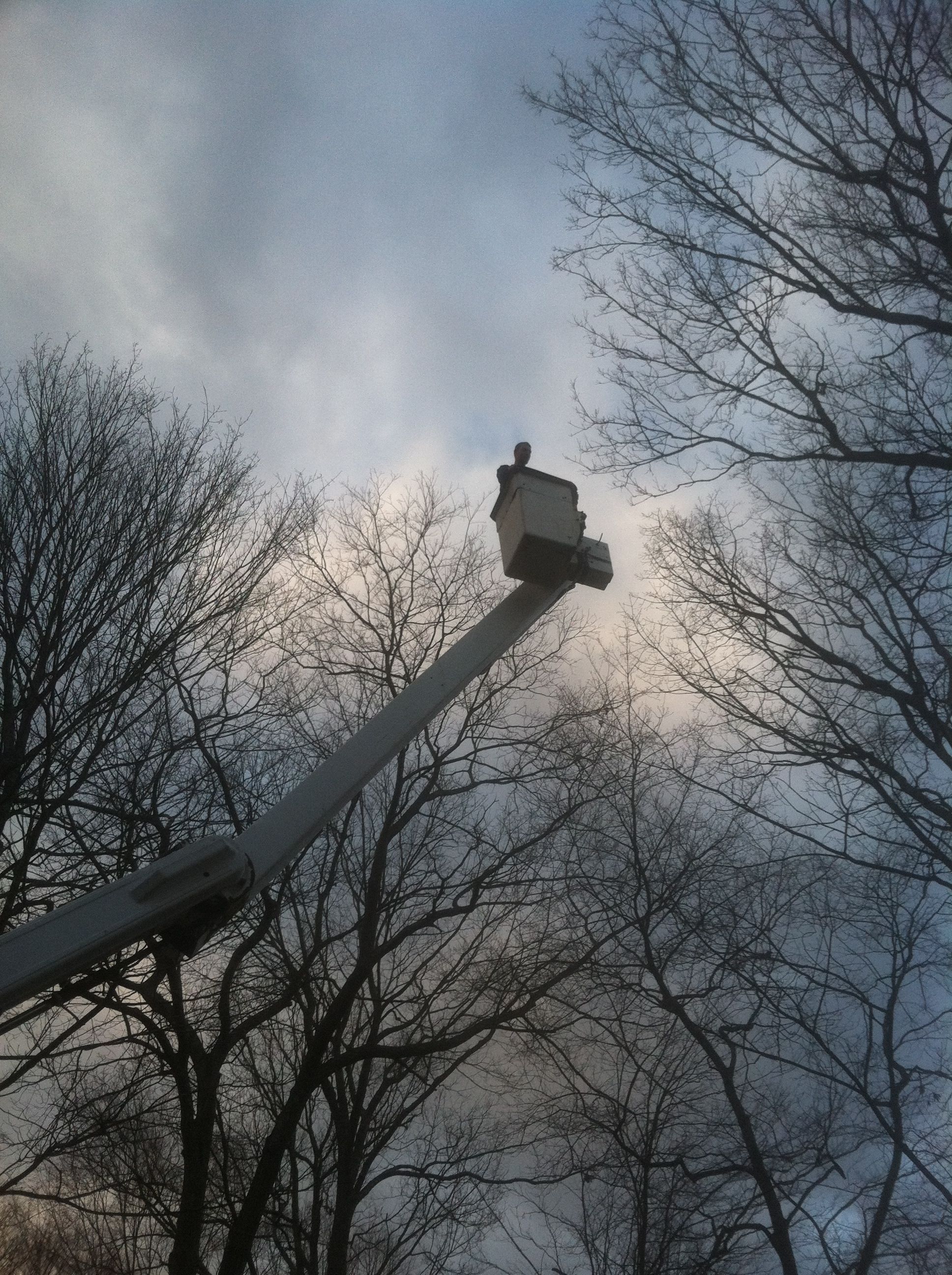
There are clear situations where DIY removal is not worth the gamble. A nest high on a roofline, under a second-story eave, or inside a chimney requires climbing a ladder while carrying a can of insecticide. Handling a ladder one-handed, especially while reaching overhead, is a common cause of falls. Even a short fall from a ladder can break bones. For nests in these spots, the physical risk of the climb outweighs the risk from the insects.
Yellowjackets and hornets are more aggressive than paper wasps. They will pursue a threat for a considerable distance, and they can sting repeatedly. A nest that is disturbed but not destroyed may release alarm pheromones that summon other colony members. This can turn a simple removal into a dangerous encounter. If you are unsure of the species, assume the worst and keep your distance.
Another high-risk scenario is a nest inside a wall void, an attic, or a crawl space. Spraying insecticide into a wall cavity can kill the colony, but the dead insects and nest material may attract carpet beetles or other pests. Worse, if the nest is in a wall near an electrical box, the moisture from the spray can create a shock hazard. A professional knows how to treat these hidden nests without causing secondary problems.
What professional treatment offers
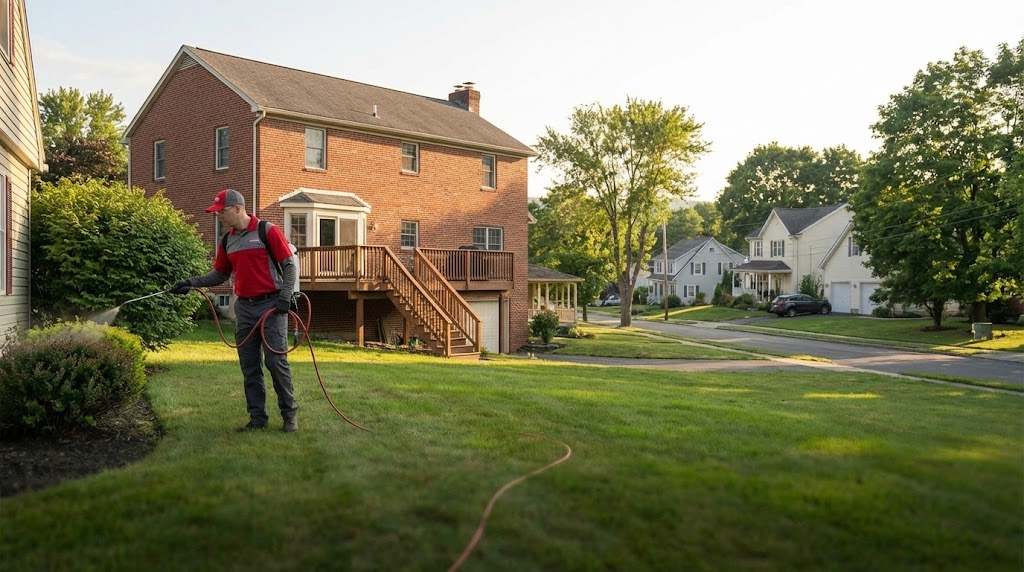
Professional stinging insect control brings experience, proper equipment, and products not available to the general public. A technician can identify the species at a glance, assess the nest's size and location, and choose the right approach. For ground-nesting yellowjackets, they may use a dust that the insects track deep into the colony. For high eaves, they have extension poles and specialized tools that keep their feet on the ground.
Equally important, a professional carries liability insurance and follows safety protocols. If a ladder is needed, it is set up correctly and used with a spotter. If the nest is near a door or a play area, the technician can time the treatment for when the area is empty. They also know how to avoid spreading alarm pheromones and how to dispose of the nest without leaving a mess.
For anyone with a known allergy to stinging insect venom, professional treatment is not just a convenience; it is the only safe choice. Even a small nest can trigger a severe reaction. The same goes for properties where children or pets play nearby. A professional can remove the nest while everyone else stays indoors, eliminating the risk of an accidental encounter.
Weighing the costs and outcomes
Cost is a factor, but it should be weighed against the potential cost of an injury. A can of wasp spray costs under ten dollars, while a professional service call costs more. However, a failed DIY attempt can lead to emergency room visits, property damage from a fall, or a colony that relocates to a harder-to-reach spot. A single sting that sends someone to the hospital can cost more than a lifetime of professional treatments.
Time is another consideration. A DIY job might take an afternoon, including a trip to the store and a wait for the product to work. A professional can often complete the job in one visit, and some offer a warranty if the nest returns. For busy households, the convenience of a one-and-done service is worth the extra expense.
Making the call based on nest location and species
The decision comes down to three questions: Where is the nest? How big is it? And which insect built it? A small paper wasp nest hanging from a low branch, reachable from the ground, with no wind and no one allergic in the house, is a reasonable DIY candidate. A yellowjacket nest in a rock wall or a hornet nest high in a tree is not.
If you cannot answer all three questions with confidence, or if you feel uneasy about the approach, err on the side of caution. A professional consultation is often free or low-cost, and it gives you the information you need to decide. Many pest control companies will come out, look at the nest, and give you a quote without obligation. That knowledge alone can help you choose the safest path.
For anyone dealing with a nest near a frequently used area, such as a deck, a playset, or a front door, the stakes are higher. A nest that goes untreated may grow throughout the summer, becoming more defensive as it expands. Removing it early, by whatever method is safest, prevents a bigger problem later. This is where the concept of safe treatment for active nests becomes central. A nest that is still active, with workers coming and going, requires a method that kills the colony without provoking a swarm. Professional products and techniques are designed for exactly that situation.
Planning ahead for next season
Once a nest is removed, take steps to prevent new ones. Seal gaps around eaves, vents, and utility lines. Keep garbage cans tightly covered, because yellowjackets are attracted to protein and sweet scraps. Hang fake wasp nests in areas where paper wasps tend to build; they are territorial and will avoid a spot they think is already occupied. These simple measures reduce the chance of a repeat visit.
If you live in an area with a long warm season, inspect your property every few weeks in spring and early summer. A nest that is caught when it is still the size of a walnut is far easier to deal with than one that has grown to the size of a basketball. Early detection gives you more options, including the option to call a professional before the colony becomes large and aggressive.
Ultimately, the choice between DIY and professional treatment for stinging insect control depends on your comfort level, the specifics of the nest, and your willingness to accept the risks. For a low, exposed, small nest in the early season, a careful homeowner can succeed. For anything else, a professional provides peace of mind and a guarantee that the job is done right. The safest approach is the one that keeps everyone on the ground, protected, and far from the stingers.
When you weigh the risks, remember that a nest that is left alone is not necessarily a threat, but one that is disturbed without proper planning almost always is. Knowing your limits is the first step toward safe treatment for active nests and a sting-free summer.